
Case study: Esther’s Story
The following story contains distressing themes and mention of physical violence, murder and abuse. Names have been changed to protect anonymity.
Esther came to the UK fifteen years ago after losing her husband of twenty years, and finding her whole life turned upside down.
When her husband died, Esther found herself under threat from his family. First they forced her to leave her home, then they took her land and sold the titles for themselves. Despite taking them to court, the family were able to bribe corrupt officials and soon they were threatening to murder Esther for speaking out against them.
Fearing for her life, Esther had no choice but to run away. She initially travelled to the UK with the Christian Missionary group she was part of, after having previously visited the UK in the late ‘90s. Originally, she was only meant to stay for a few months until things calmed down. But when her daughter died and she planned to travel home, Esther found out that her in-laws were waiting to kill her as soon as she arrived back in Uganda. Staying in the UK was Esther’s only way to survive.
“Life was not easy. I didn’t know what I was going to do, where to sleep.”
After spending three months in Yorkshire with the church, Esther was invited to another church in London, where she then stayed for eight years. During that time she was essentially homeless, first sleeping in the church and then moving in with a woman from the community. Esther spent her time with the church taking care of people, clothing them, cooking for them, making sure they had someone to speak to. But her own life was fraught with upheaval, stress and insecurity.
When another woman heard Esther’s story, she advised her to speak to the Home Office and ask for their support. Until then, Esther hadn’t heard about immigration, the Home Office or seeking asylum. It was a process completely unknown to her, and kept from her by the people with whom she was staying. They told her not to ask about those things, that they were too difficult. Esther had no idea that by staying hidden, she was essentially putting herself in danger. But thankfully, the woman convinced her to visit Hackney Immigration Centre and tell them her story, before she risked being arrested. From there, Esther’s journey to officially seeking asylum began – and is still ongoing to this day.
“You are in prison, but you don’t understand it’s a prison.”
After reporting to the Home Office, Esther was moved up to Liverpool to what felt like a prison, while she awaited what she hoped would be a more permanent residence. After this, she was put on a bus to Walkden where she lived for two years. Sadly, her human rights case was essentially mishandled and her initial request for asylum was rejected. She was told she could appeal, but without a lawyer to support her she had to appear in court alone and was ultimately rejected once more.
The following years saw Esther move from place to place, feeling exhausted by the process and worrying what she could do to change her situation. And then someone told her about WAST…
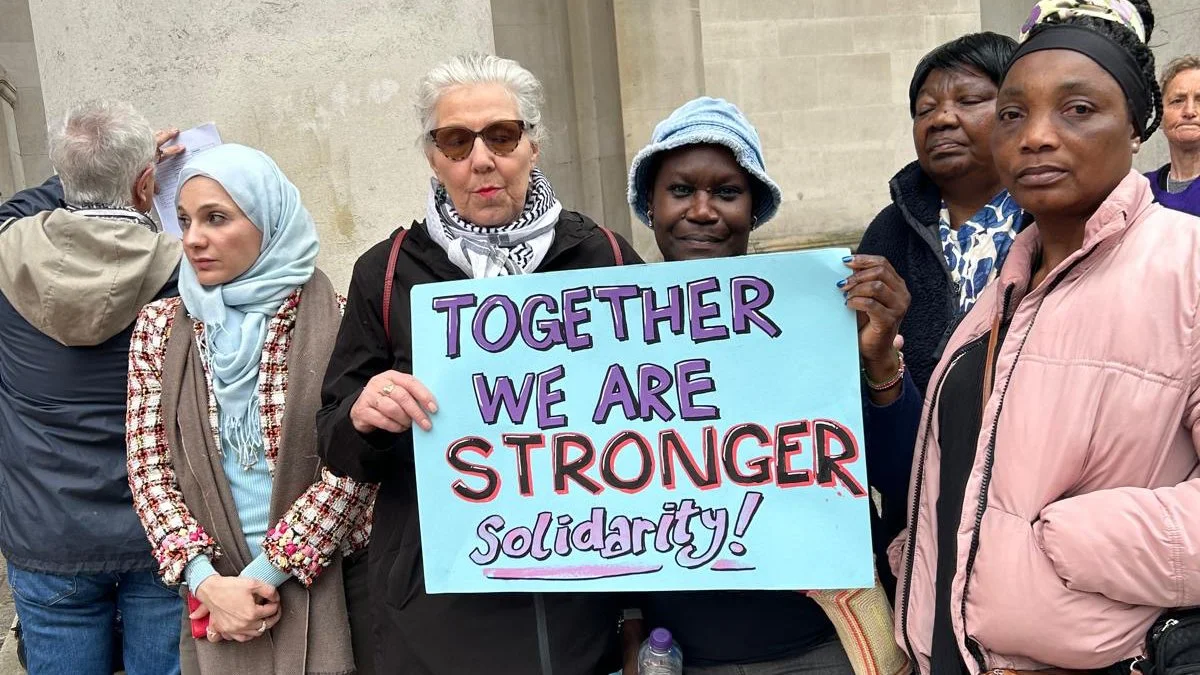
“Life changed and I felt courage. I felt happy. I felt I am not alone.”
When Esther joined WAST, she found many women just like herself, talking about their cases and what had happened to them. For the first time in years, she no longer felt alone.
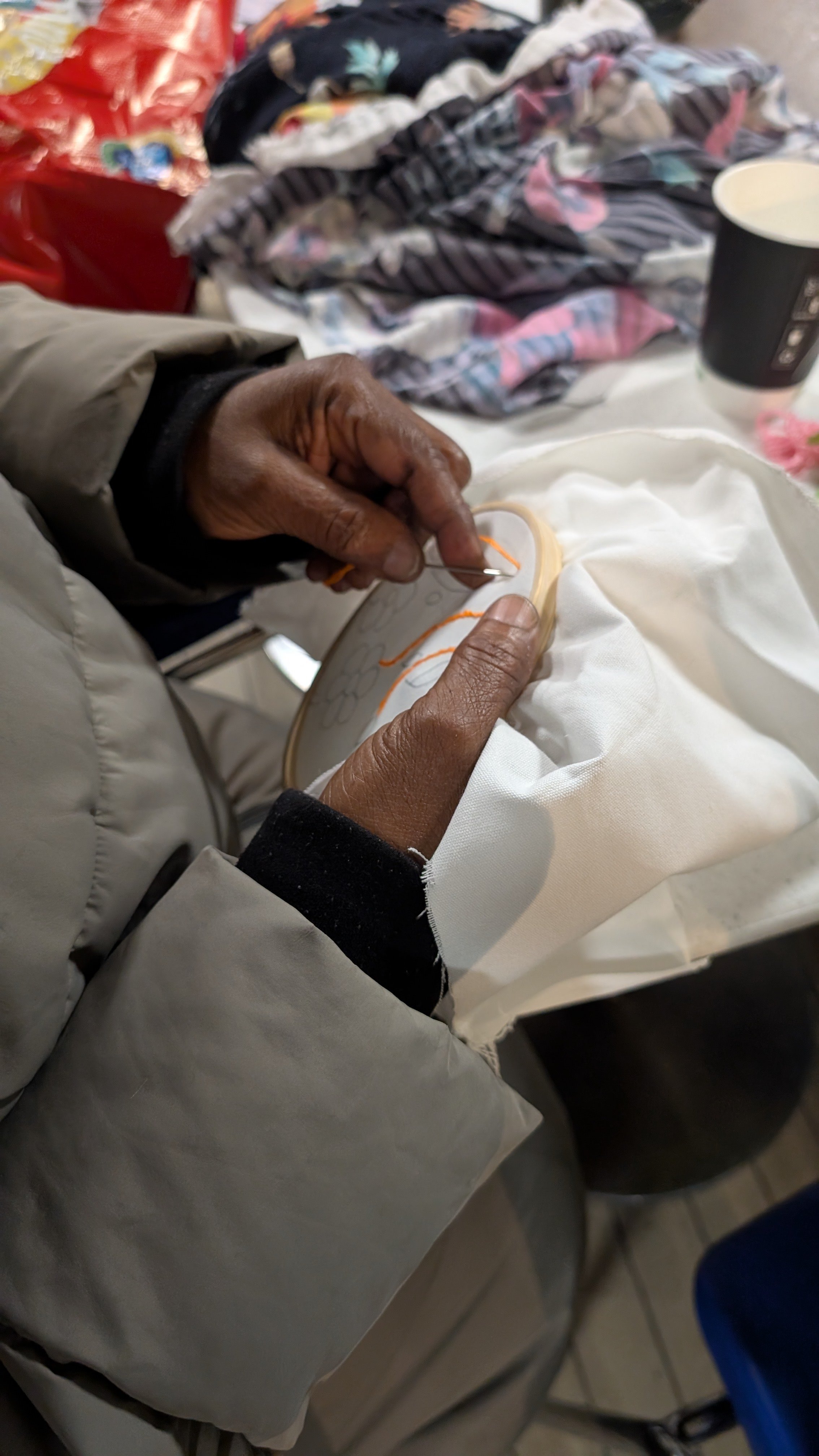
Soon Esther was joining activities like choir, netball and dancing. She was learning new skills, practising her English and enjoying summer trips to the beach. Being part of WAST encouraged Esther to keep on waiting and believing, knowing that one day, whatever it takes, she will be granted asylum and begin to live the life she deserves.
Now, Esther is part of WAST’s management group. At first, she was nervous to take on the role but as soon as she realised it was all about helping women, listening to their stories and encouraging them to share their troubles with others, she knew she could do it. All it takes is a conversation.

“Being destitute is not an easy life. I don’t know how many things I have lost.”
Unable to work and earn a living, Esther has experienced many years of destitution. She is tired of moving around, of living in shared houses that feel unclean and unsafe, and where people steal your things. But through WAST, Esther was able to access the destitution fund. Just £8 a week has helped her to buy food and essential supplies, and to restore a sense of dignity to her life.
What’s more, Esther feels she has learned so much about trauma and mental health through activities with WAST. Both in terms of recognising and better understanding trauma and depression in others, as well as learning skills to support her own health and wellbeing.
With her children still in Uganda, life can sometimes feel very lonely and distressing for Esther, but through WAST she feels less alone, and more able to cope.
“It takes away the pain when you are among people. I am loved. I am here. I can do something.”
Esther’s advice to others
Esther would like there to be more awareness of the support that is available to women seeking asylum, from WAST to all the other organisations doing brilliant things to support women like her. She would like every woman to know that whether they’re sick, alone or have nowhere to sleep, they can come to WAST and get help. They don’t need to feel worried and depressed on their own, support is available.
“Don’t you die alone in the house where you are staying.”
Esther says that’s why more people should support WAST, to give women and their children hope, and to offer practical support to those who really need it. Even £8 can go such a long way when you know how to spend it.
Esther’s hopes for the future
Esther remains hopeful that she will be successful in her request for asylum, and that she will soon have her own home, her safety and independence, and a future to look forward to.
In the meantime, she urges the government to allow asylum seekers to work and contribute to society. Many people come here when they are young, but they are old by the time they get a positive decision. They did not come here to beg. Why not let them work, study and pay their taxes? That way everyone benefits, while vulnerable women are protected from harm and supported to rebuild their lives. We couldn’t agree more!
–
If you’d like to know more about the women of WAST and the work we do together, get in touch.
Or, you can support us by making a donation. Thank you for hearing our stories.